Rome becomes difficult when every famous place is treated as an appointment. A three-day visit works better with a small number of anchors: an ancient site, a historic-center walk and one substantial visit on the other side of the river. The remaining hours are not missing pieces. They are where lunch, queues and discoveries fit.
Start with the ancient city
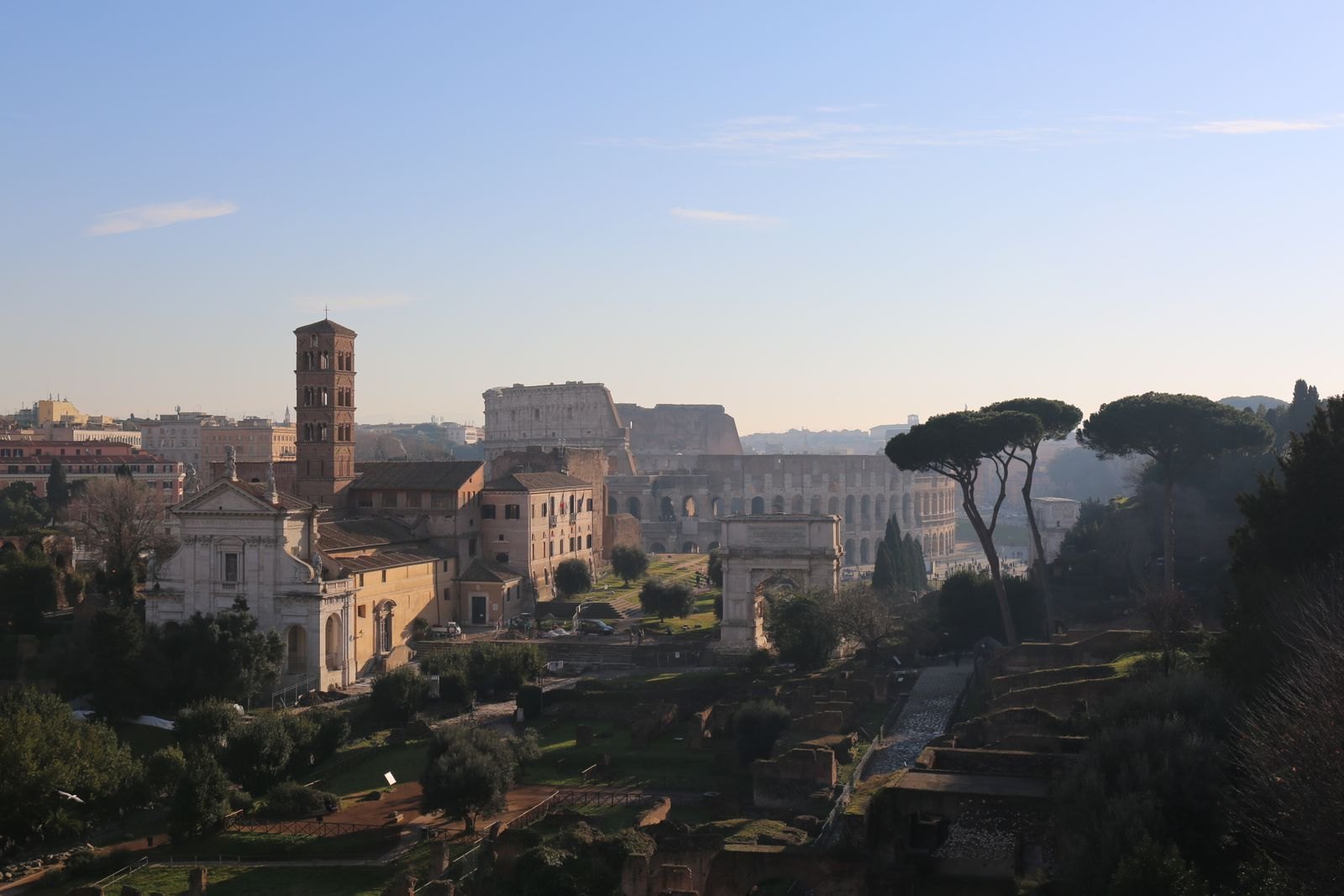
Group the Colosseum, Roman Forum and Palatine area on one day. They belong together geographically, but that does not mean they are a quick combined stop. Read the conditions of your particular ticket, identify the entrance for its timed element and allow time outside the gates. Keep a screenshot of the booking details somewhere accessible without a connection.
Afterward, choose between a meal in nearby Monti and a shorter walk toward the Capitoline area. Trying to add another major museum may turn the afternoon into an endurance exercise. Ancient sites involve exposed stretches and uneven ground; the route should reflect the weather and your walking comfort.
Give the historic center its own day
Build a loose route around the Pantheon, Piazza Navona and the Trevi Fountain, choosing its direction from your accommodation. Check current admission arrangements for any interior you want to enter. A landmark can be a brief outdoor stop or a substantial visit, and the difference matters when estimating the day.
Pause away from the busiest square if you want a quieter lunch. Do not make every break conditional on finding a celebrated restaurant. The walk itself gives you plenty to see, especially if you leave one or two side streets unexplained until you reach them.
Reserve the third day for your strongest remaining interest
The Vatican area is one possibility, but a museum reservation there is not interchangeable with entering other nearby sites. Check each visit separately. Alternatively, choose a neighborhood-focused day across the Tiber if another long indoor visit would feel repetitive.
Keep the final evening near your base, particularly before an early departure. Rome's map makes many walks look manageable; luggage, heat and accumulated fatigue change the calculation. Finish with a meal you can reach easily rather than one last dash across town. Three coherent days usually leave a clearer impression than a longer checklist assembled from disconnected stops.