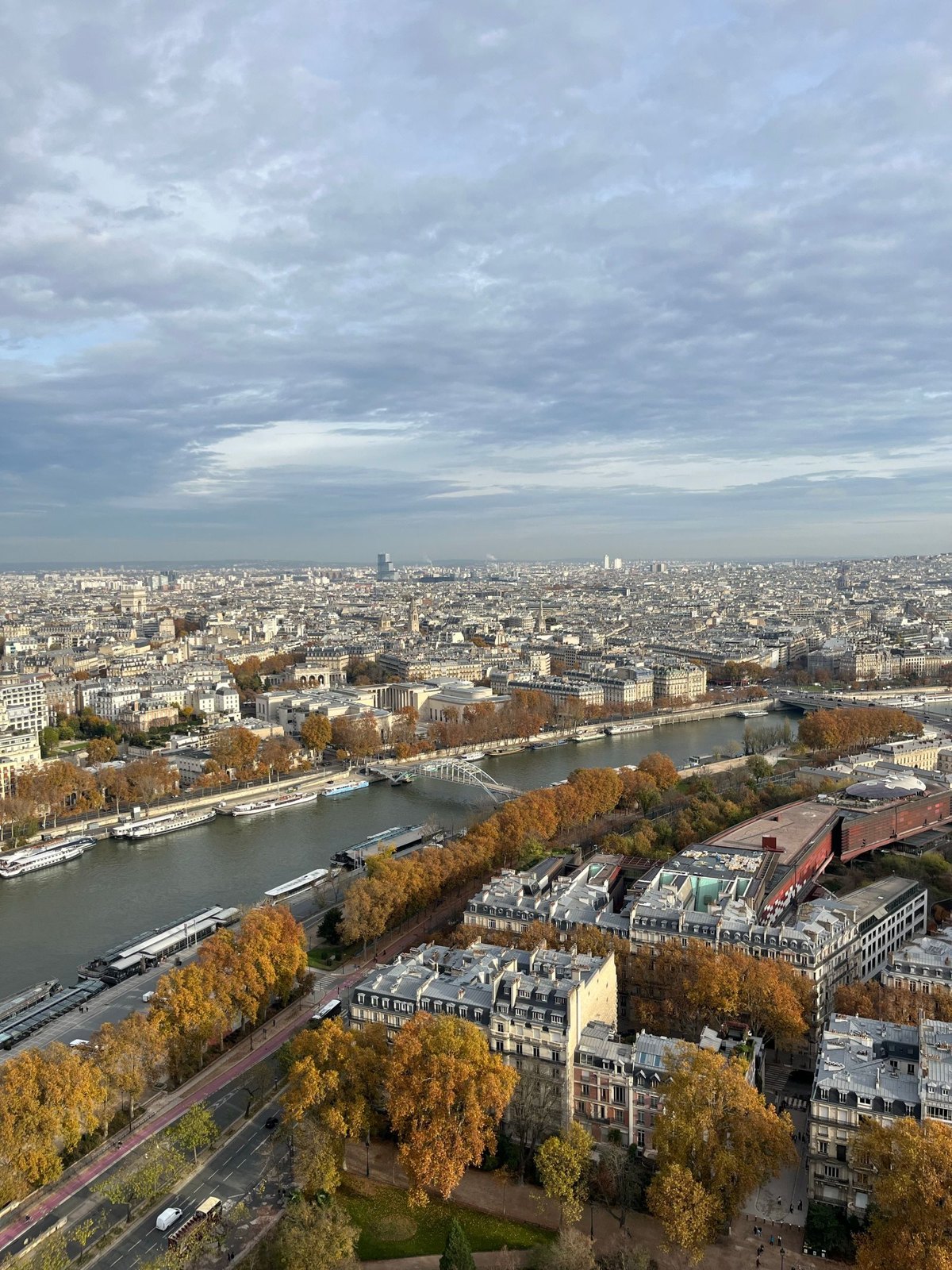
Paris can feel surprisingly fragmented when the itinerary is organized by popularity rather than geography. A museum on one side of the city, lunch on the other and an evening reservation back again may all be appealing individually. Together, they create a day spent watching the clock underground.
For three days, choose three areas with different moods. Your accommodation does not have to sit inside all of them. It needs a workable connection to the beginning and end of each day.
A central museum day
Make the Louvre or the Musée d'Orsay the principal visit, according to your interests and ticket availability. These are not interchangeable stops to squeeze into the same afternoon. Afterward, keep the walk nearby: a garden, a stretch of the Seine and a meal can provide enough contrast after several hours indoors.
Check the museum's own opening and reservation information before assigning a weekday. Then choose the walking direction that brings you toward dinner or your accommodation. A riverside route does not need to continue until everyone is exhausted.
A neighborhood day
The Marais can support a slower sequence of streets, small shops and a cultural stop. Alternatively, choose the Left Bank if its bookshops, cafes and museums interest you more. Avoid combining both simply to say that you covered them. Give yourself permission to follow a promising side street without losing a distant booking.
This is a good day for a flexible lunch. Keep a couple of possibilities saved, but look at the actual menu and queue before committing. A famous address is not always the right place for the appetite, budget or weather you have that afternoon.
A sample adjustment when your ticket changes
Suppose the museum you most want is available only on your second day. Move the whole central museum cluster to that day, rather than keeping the original walk and returning to the same area for the ticket. The neighborhood day can move into the first slot. This preserves the geographical logic while respecting the reservation.
If you arrive late on the first afternoon, reduce that neighborhood outing to dinner and a short walk near your base. Do not try to recover the missing hours by combining two full days tomorrow. Similarly, a morning departure leaves less usable time than the phrase three-day trip suggests. Count full days separately from arrival and departure fragments before buying tickets.
For companions with different interests, agree on a meeting place within the same area. One person might spend longer in a collection while another takes a nearby break. Keeping the reunion local avoids turning a useful split into another cross-city journey.
A day with a different view
Montmartre offers a distinct area to explore, though slopes and steps require thought. If climbing is unsuitable, choose a different neighborhood rather than designing the entire day around avoiding its terrain. Another option is to build a western-city day around a landmark you particularly want to see.
Leave the final evening uncomplicated. A return to somewhere you enjoyed is a valid use of limited time. Paris will still contain far more than three days can cover; a coherent itinerary makes that abundance enjoyable rather than turning it into a problem to solve.