A week of sightseeing does not need a ticket for every morning and afternoon. A few substantial paid visits can provide the structure, while the spaces between them let you explore without constantly paying for entry. Choose the paid experiences for interest, not simply because they are famous.
Start with the three or four visits you would most regret missing. Check their opening days and reservation requirements, then place them on different parts of the week where possible. Avoid concentrating all the expensive activities at the beginning and leaving the remaining days as an afterthought.
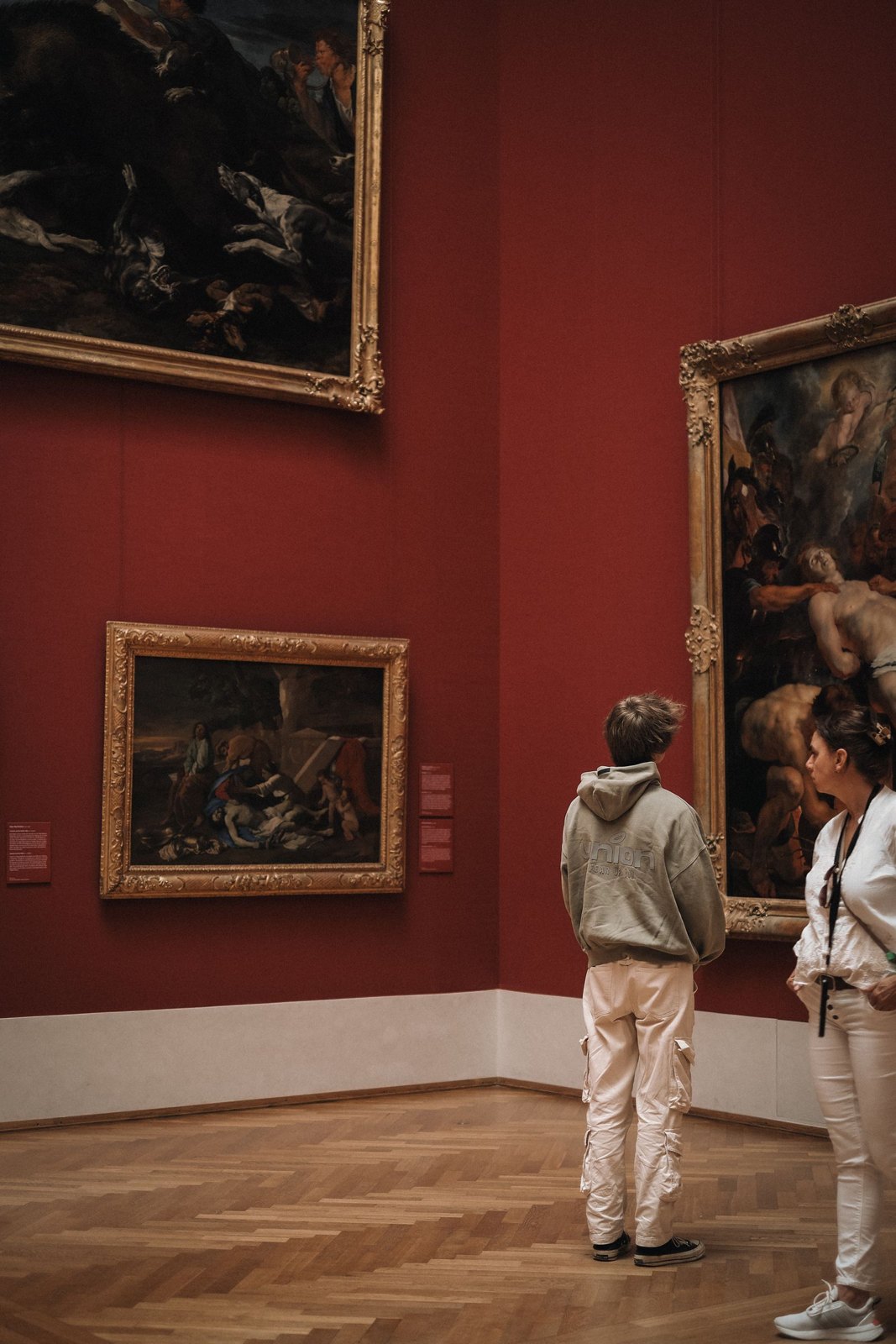
Build nearby time around each visit. A museum can pair with a walk through its neighborhood and lunch in a local area. A guided activity might leave the afternoon open. Check which public spaces or collections are genuinely free for your visit, including any separate charges for exhibitions or facilities you intend to use.
Compare a balanced week with a packed one
Imagine four hypothetical paid visits costing $25 each, for $100 in admission. Adding one more $20 attraction every day would bring seven additional visits to $140. That extra spending may be worthwhile if those places matter to you, but it should not happen simply to fill blank time. The same hours could include longer visits, a day trip, time with a friend or a slower neighborhood afternoon.
Do not assume free means no planning. Popular free venues can still require reservations, and outdoor places have hours, access conditions or weather limits. Check the details for the specific place. A free stop across town also has a transport cost and a time cost.
Keep some decisions for the destination
Leave a portion of the activity budget uncommitted. You may hear about an event, find a collection you did not know existed or decide that you would rather repeat a favorite walk. Buying everything in advance removes that flexibility and can encourage you to attend simply because you have paid.
For a group, allow optional paid activities. One traveler may want a specialist tour while another prefers a park and a café. Meeting afterward can preserve shared time without making everyone buy the same ticket.
Review the pace after the first couple of days. If the major visits already feel full, resist adding more. If you have time and enthusiasm, choose another activity on its own merits. A good week has a rhythm of attention and rest; the number of admissions purchased tells you very little about how much you will enjoy it.