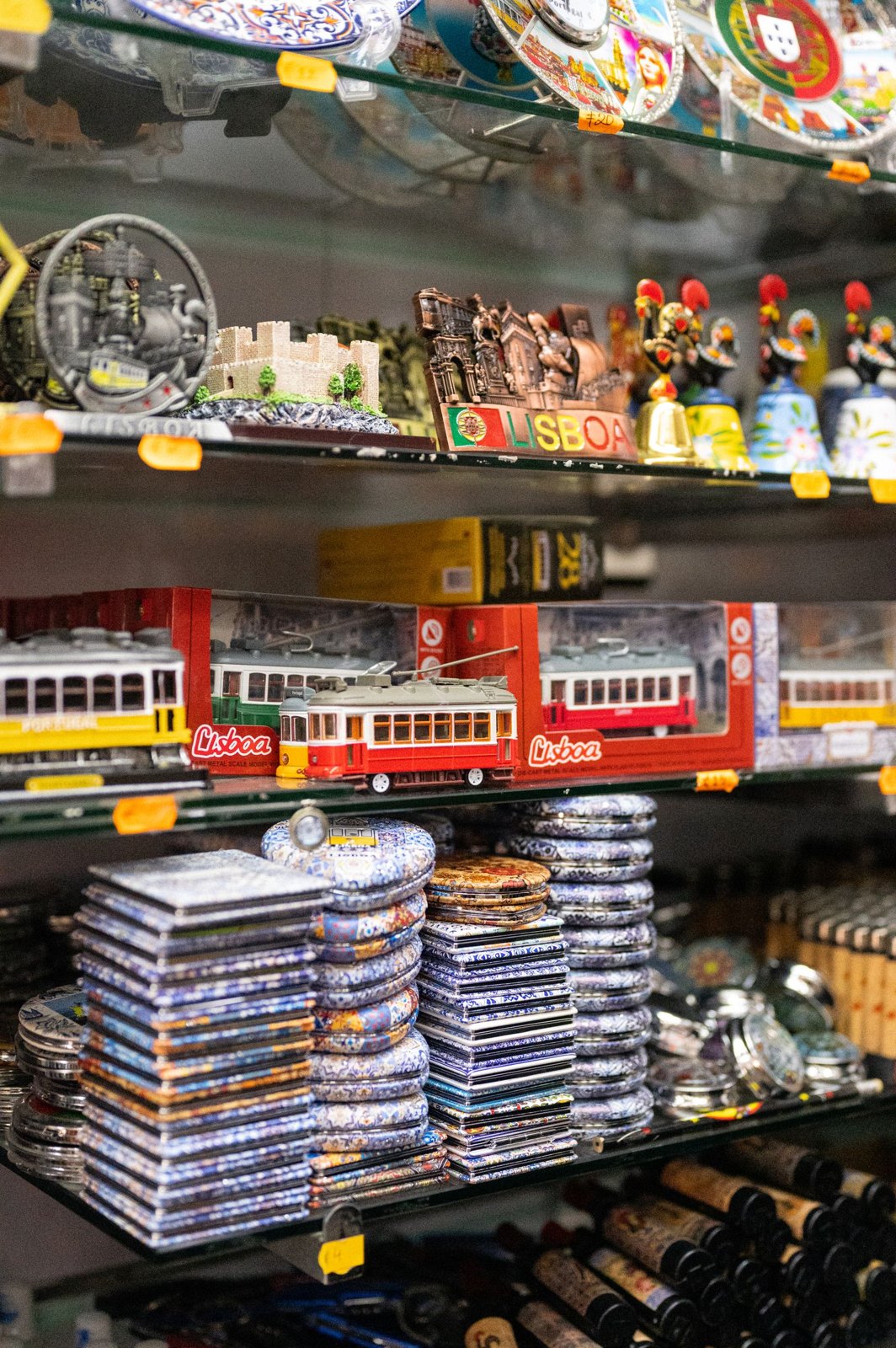
Souvenir spending can expand quietly because each purchase is small. The problem becomes visible only when the suitcase no longer closes or a fragile item needs special handling. Give souvenirs both a money limit and a space limit before you begin shopping.
Think about what you would genuinely use or display at home. A small print, a locally made everyday object or a food item permitted on your route may mean more than several things bought simply because they are inexpensive. Check applicable customs and transport rules before purchasing food, plants, liquids or other restricted items; being sold in a shop does not establish that you can carry it home.
A bulky purchase can trigger an additional bag fee, shipping expense or the need to protect it during transfers. Ask about dimensions and packaging before paying. If the seller offers shipping, confirm the total, destination coverage and arrangements for damage or delivery problems rather than assuming it is a simple substitute for carrying the item.
For gifts, make a short list of people you intend to buy for. This helps avoid buying several similar items because you cannot remember who already has something. Leave room for an unexpected find, but do not let the list become an obligation to shop in every destination.
When something costs more than expected, wait long enough to decide whether you still want it outside the atmosphere of the shop. A photograph of the item and the seller's details can help you compare, where photography is allowed. There is no need to bargain or purchase merely because you have spent time looking.
Keep receipts for items that need them and pack fragile purchases according to their actual needs. Do not place valuable or irreplaceable items in a bag without considering the risks and carrier conditions.
At the end of the trip, unused souvenir money is not a quota to spend at the airport. Leaving with one object you chose carefully can be more satisfying than filling the remaining space with things that will become clutter.