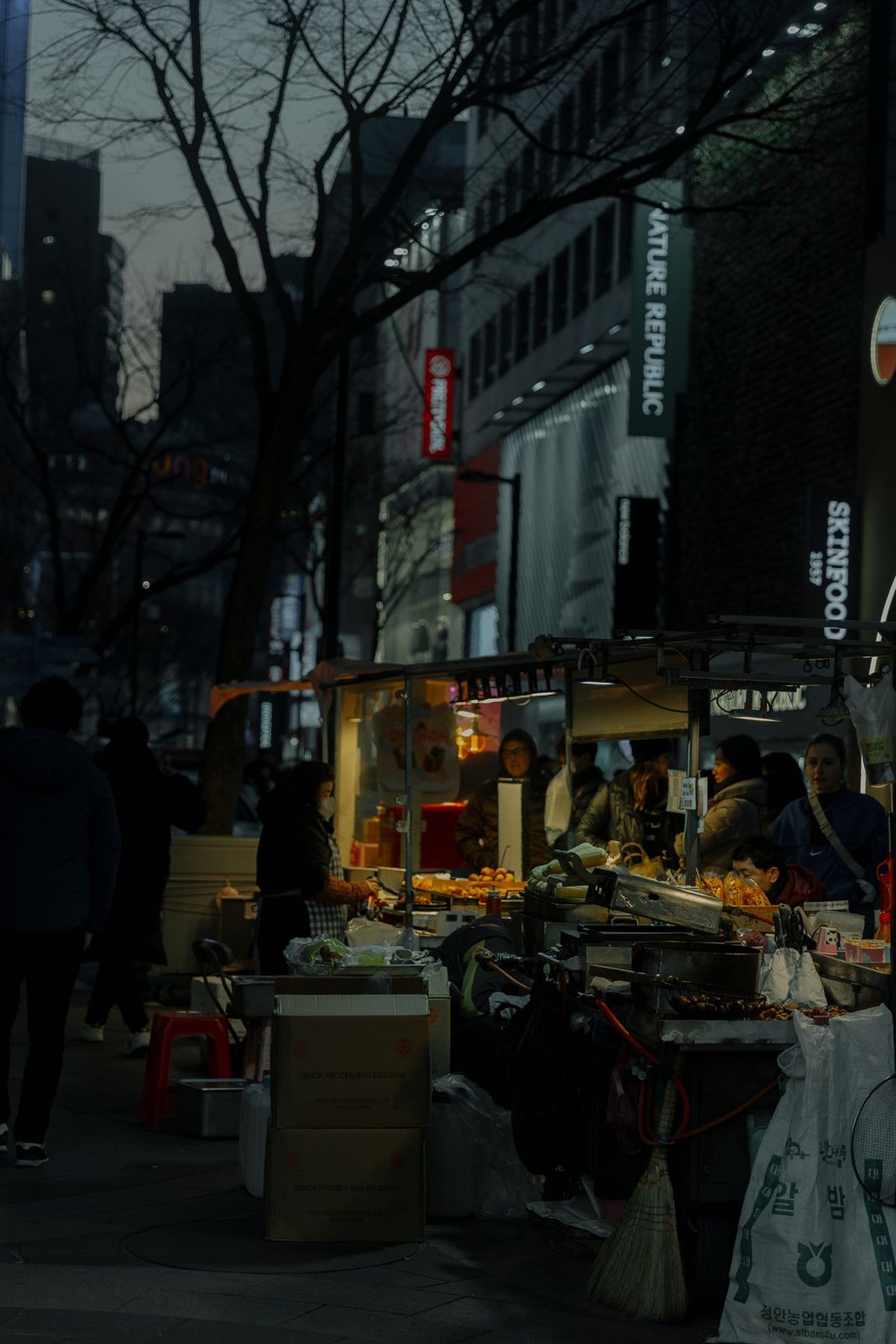
A food budget works better when it reflects how you enjoy eating. Someone who wants a long restaurant dinner each evening needs a different plan from someone who prefers markets and a single special meal. Decide what food contributes to the trip before assigning a daily amount.
Count meals rather than hotel nights. An early outbound flight and a late return can add two substantial travel-day meals that disappear from a three-night estimate. Include drinks, snacks and any service or other charges shown by the venue, without assuming one tipping convention applies everywhere.
Use a few current menus near your likely route to establish a range. Tourist-center prices, hotel restaurants and neighborhood cafés may differ. Avoid building the budget around the cheapest dish you can find if it is not how you expect to eat.
Spend unevenly on purpose
A modest breakfast and a simple lunch can leave room for a dinner you are excited about. That is different from arriving at dinner hungry and trying to compensate for an unrealistic allowance. Keep enough for ordinary meals so the special one does not require skipping food you need.
If traveling with others, discuss the range before choosing restaurants. Offer a few options with visible menus rather than letting one person repeatedly select places beyond someone else's comfort level. Splitting up for an occasional meal can be easier than forcing every preference into one bill.
Accommodation facilities can help, but compare them honestly. A kitchen is useful if you intend to shop and cook; it has little budget value if every evening is spent elsewhere. Check what equipment is actually provided before planning meals around it.
Leave a little room for discoveries. A bakery you pass or a market snack can be part of the pleasure of travel. If the total begins to run high, adjust a future meal deliberately rather than treating each small purchase as a mistake. The aim is a food plan you can enjoy following, not the lowest possible cost of remaining fed.