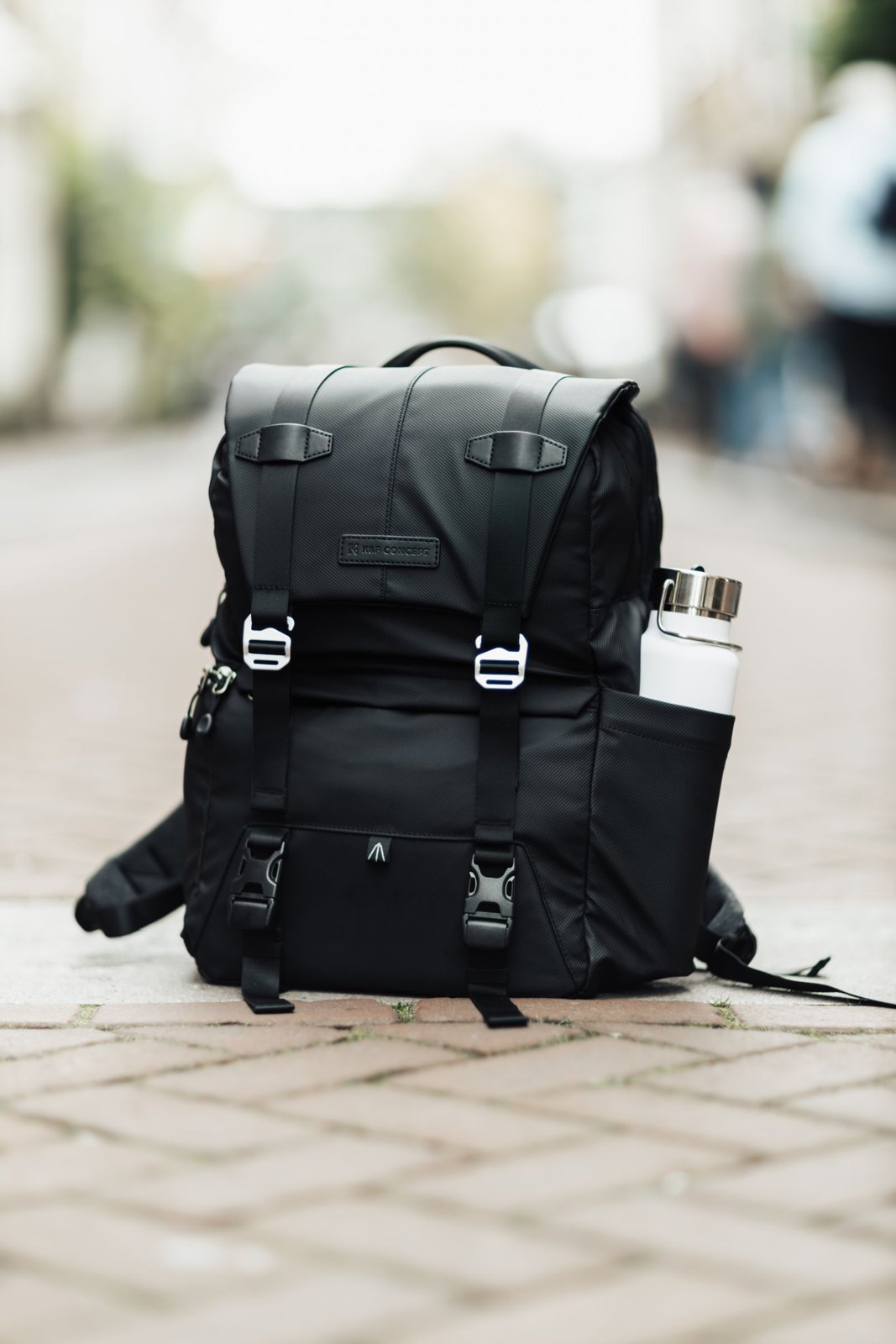
A city daypack does not need to hold everything you brought on the trip. It needs to carry what you will use before returning to your room. Start with that smaller list: water, a weather layer, essentials and perhaps a camera or snack. Add items because the day requires them, not because an empty pocket is available.
Try the bag with that load. Walk, sit and turn around in it. Check whether it swings away from your back, presses a hard object against you or catches on your coat. A compact bag that fits well can be more comfortable than a larger one with extra padding but a poor shape for your body.
Think about indoor stops
Museums and other venues may restrict bag sizes or require backpacks to be stored. Check the official visitor information for planned stops rather than assuming every small pack is permitted. Carry valuables in a way that lets you separate them if the main bag must go into a locker.
An easy-to-reach pocket helps with tickets, but avoid leaving important items exposed in an open outer compartment. Keep zippers closed in crowded spaces and move the bag out of other people's way on transport. No pocket arrangement makes unattended belongings safe.
Keep weather separate from documents
Choose a place for a damp umbrella or bottle that will not soak paper and electronics. Water-resistant fabric is not a guarantee against every shower, especially around seams and zippers. Use appropriate protection for items that cannot get wet, and dry the bag after a rainy day.
If you plan to carry the daypack inside another bag during travel, test how it packs. A very thin foldable pack saves space but may feel uncomfortable with a heavy load. A structured pack may travel better as your personal item instead of being packed away.
Review the contents after the first day. Remove the items you carried without a plausible use and adjust the straps while the bag is loaded. The aim is not the smallest possible pack, but a bag light and accessible enough that you can stop thinking about it while exploring.