You do not have to rent a bicycle to enjoy Copenhagen. A walking day can offer more chances to stop, browse and notice small details. The important adjustment is geographical: a route designed for cycling may be much too spread out on foot.
Choose two connected areas and a sensible place to finish. For example, an inner-city walk with a section of the harbor can work well. Trying to attach several distant neighborhoods turns a preference for walking into an unnecessary test of endurance.
Build the route around crossings
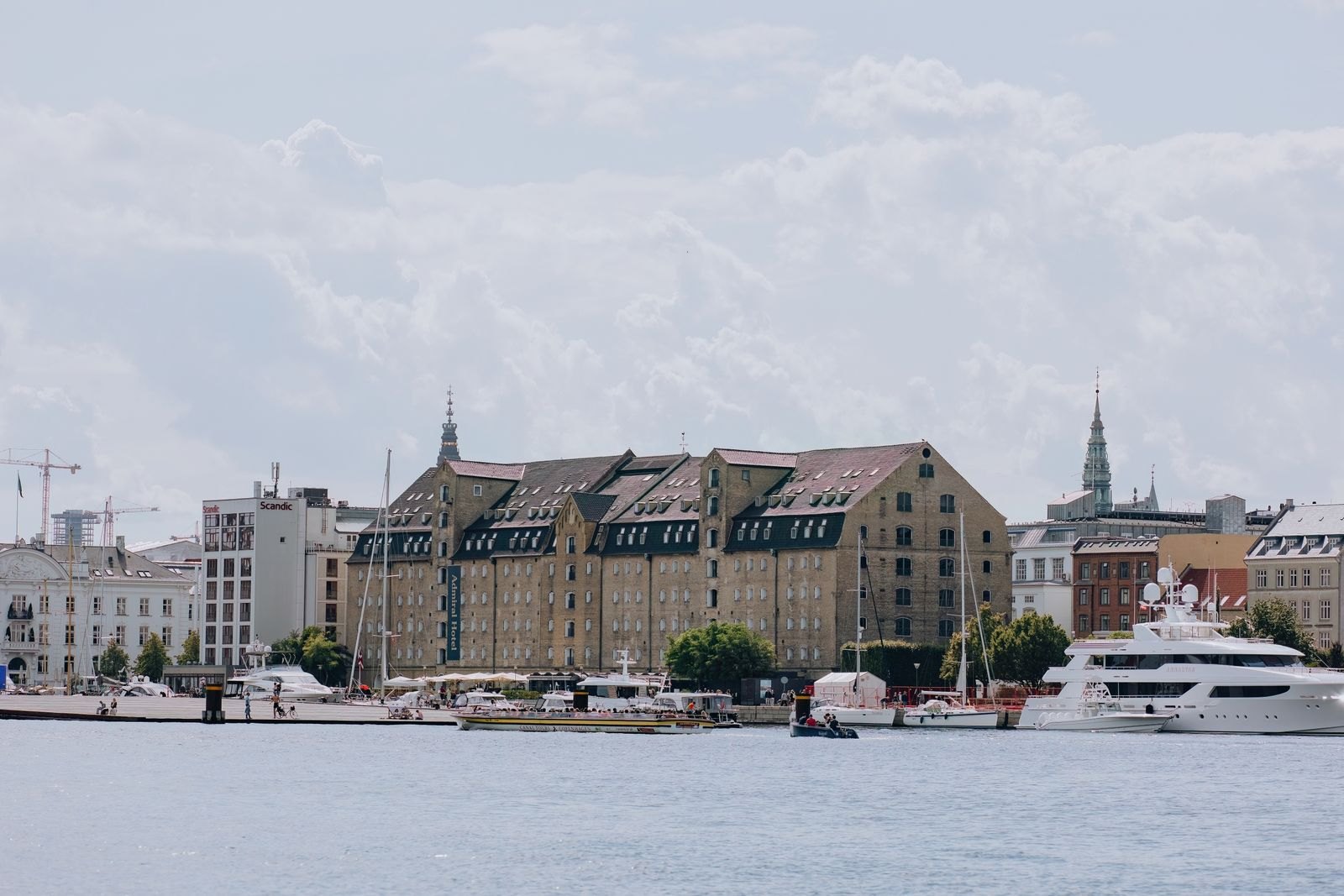
Water is part of the city's appeal, but it also shapes how you move. Mark the bridges or other crossings you plan to use before setting off. A destination that appears close across the harbor may require more walking than the map first suggests.
Keep the route flexible enough to stop before its farthest point. If the wind picks up or someone becomes tired, returning by public transport should be an ordinary option, not a failure. Check the relevant service and ticket information when you need it rather than assuming a walking plan requires walking home too.
Pay attention at cycle lanes
Walking slowly does not mean the surrounding traffic moves slowly. Use designated crossings, look before stepping across a cycle lane and stand clear when consulting your phone. Photographing a building from the wrong place can interrupt a busy route even if the pavement seems spacious.
Wear shoes suited to several hours outdoors and carry only what you need. A small rain layer, water and a charged phone are easier to manage than a bag prepared for every possible activity.
Let a meal divide the outing
Choose lunch in the area where you expect to be around the middle of the day. You can then decide whether the afternoon should be another short walk, a museum or a return to your accommodation. This is more forgiving than reserving something far away and having to keep moving toward it.
A pedestrian visit is not a lesser version of a bicycle visit. It is a different pace, with a smaller radius and more attention available for the streets between landmarks. Design around that advantage and the city becomes easier to enjoy.